Procurement Reimagined: How Optimate Helps You Buy Smarter, Not Just Cheaper

Procurement Reimagined: How Optimate Helps You Buy Smarter, Not Just Cheaper

For too long, procurement has been treated as a back-office function—focused only on cutting costs and processing paperwork. But in today’s economy, where supply chains are global and business continuity hinges on reliable partnerships, procurement must evolve into a strategic advantage.

That shift requires visibility, accountability, and agility. And that’s where Optimate steps in.
Built for modern African businesses, Optimate is Mkhaya’s comprehensive Supplier, Procurement, and Contract Management System. It’s designed to reduce risk, improve compliance, and help you buy with confidence.

The Procurement Problem You Didn’t Know You Had

If you’re still using manual processes or outdated systems to manage procurement, ask yourself:
– Do you know your supplier risk exposure today?
– Can you easily audit your procurement trail?
– Are you confident in contract renewals and obligations?
– Are procurement decisions aligned with your organisation’s goals?

If you hesitated on any of the above, you’re not alone. Many organisations struggle with fragmented procurement systems and informal processes—especially across multiple departments or sites.

What Smarter Procurement Looks Like with Optimate

Optimate brings together procurement, supplier management, and contracts under one intelligent, secure system.

Here’s how your organisation benefits:

1. End-to-End Procurement Automation
From requisitions to approvals, orders, deliveries, and payments—every step is streamlined and logged.

Apply this: Eliminate bottlenecks and shadow spending by digitising your procurement workflow.

2. Supplier Performance and Risk Management
Track supplier metrics, compliance status, documentation, and performance over time.

Apply this: Make informed renewal or termination decisions based on real-time supplier insights.

3. Contract Lifecycle Management
Never miss a renewal, deadline, or compliance requirement again. Optimate keeps contracts centralised, searchable, and alert-ready.

Apply this: Audit-proof your organisation and reduce legal exposure with automated contract tracking.

4. Transparent and Auditable Processes
Every procurement decision is logged—improving internal controls and regulatory compliance (especially POPIA and PFMA compliant where applicable).

Apply this: Prepare for audits or board reviews without scrambling for documents or justifications.

5. Smart Spend Analytics
Make data-driven procurement decisions by analysing historical spend, vendor trends, and budget allocations.

Apply this: Identify cost-saving opportunities and eliminate duplicate vendors across departments.

Purpose-Built for African Procurement Environments

Procurement in Africa isn’t just about cost savings—it’s about navigating public-private partnerships, regulatory frameworks, rural logistics, and fast-changing supplier ecosystems.

That’s why Optimate is built to:
– Adapt to complex organisational hierarchies
– Accommodate both centralised and decentralised models
– Support multiple currencies, compliance regimes, and language preferences
– Operate seamlessly in cloud or hybrid environments

From Reactive to Strategic: The Optimate Advantage

Smart procurement isn’t about reacting to vendor quotes or chasing approvals. It’s about having systems that empower teams, mitigate risk, and align spend with strategy. Optimate helps you move from transactional buying to value-based procurement.

Ready to modernise your procurement, supplier, and contract management processes?
Designing for Impact: Why Strategic Web Design Is Your Strongest Digital Asset

Designing for Impact: Why Strategic Web Design Is Your Strongest Digital Asset

In today’s digital economy, your website is more than a digital brochure—it’s your most important business tool.

Whether you’re in finance, logistics, education, or government services, a high-performing website is critical for trust, engagement, and conversion. But great design isn’t just about looking good. It’s about delivering real outcomes for your users—and your bottom line.

At Mkhaya, we design websites that do more than represent your brand. They move people to act.

The True Role of Website Design in 2025
Modern web design goes beyond pixels and pages. It’s about:
– Telling your brand story clearly
– Guiding users toward value
– Removing friction from the user journey
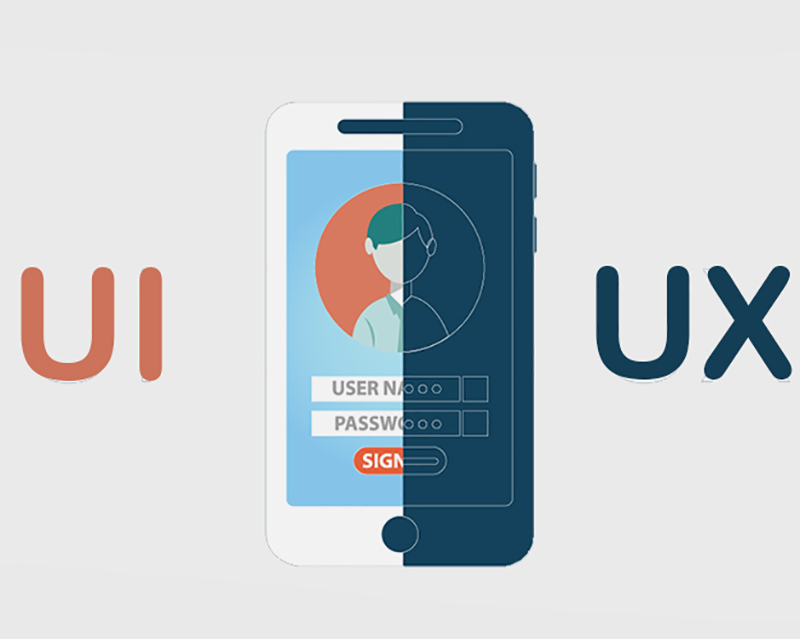
– Supporting business goals with strategic UX/UI

And most importantly, it’s about delivering performance—measured by speed, accessibility,
conversion, and engagement.

3 Design Principles That Set Winning Websites Apart

1. Clarity Over Complexity
Many organisations try to impress with overly designed sites, but the truth is: simplicity wins. Clear navigation, concise messaging, and intuitive layouts help users get what they need—fast.

Apply This: Review your homepage. If a new visitor can’t tell what you do in 5 seconds, it’s time to rethink your messaging.

2. User Experience Is a Growth Lever
UX is no longer optional. A good user experience reduces drop-off, builds trust, and increases engagement. Every interaction—scrolling, clicking, reading—should feel natural and effortless.

Apply This: Conduct a user journey mapping exercise to identify and fix friction points in your current site.

3. Mobile-First, Always
In Africa, mobile traffic dominates. If your website isn’t built for mobile-first interaction, you’re missing out on a massive portion of your audience.

Apply This: Use tools like Google Lighthouse or PageSpeed Insights to test your mobile performance—and optimise accordingly.

What Strategic Website Design Looks Like at Mkhaya

At Mkhaya, we combine visual design with strategic thinking.
Our process focuses on:

1. Brand Alignment: Your identity and values, made visual
2. UX/UI Excellence: Built for users, on all devices
3. Performance-Driven Development: Fast load times, SEO-ready
4. Security & Accessibility: Inclusive, secure, and scalable
Whether you're launching a new digital product or reimagining your online presence, we build
websites that work harder for your business…Because design isn’t decoration—it’s strategy.

Ready to Redesign with Purpose?

Your next customer will likely meet your brand online first. What will their experience tell them?

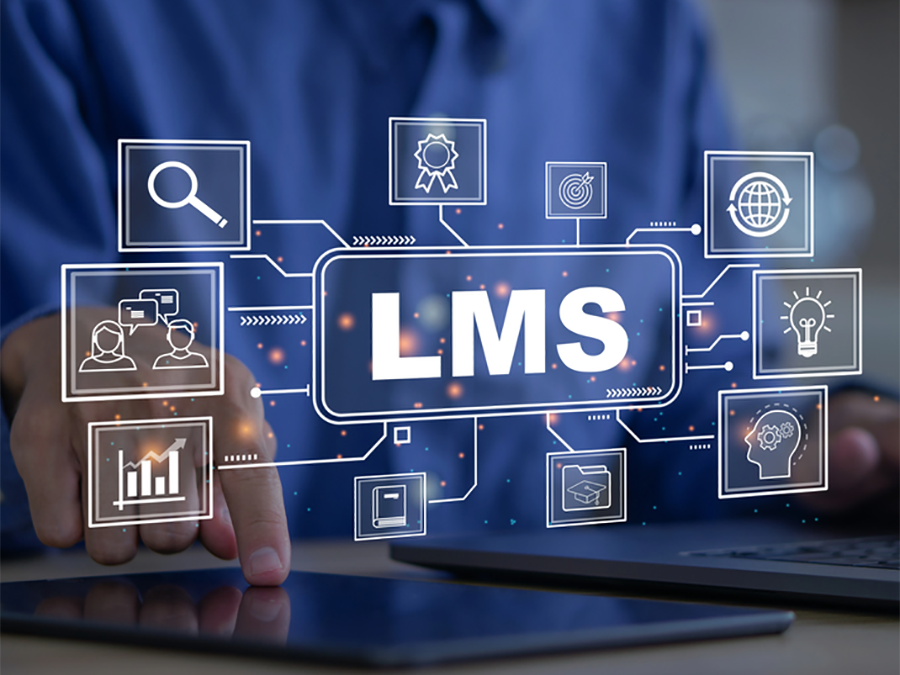
Beyond Spreadsheets: Why Enterprises Need Smarter Loan Management Systems

Beyond Spreadsheets: Why Enterprises Need Smarter Loan Management Systems

In an economy where credit drives growth, the way you manage lending makes all the difference.

Whether you’re offering employee loans, asset financing, or customer credit solutions, manual tracking and spreadsheets simply can’t scale. They create risk, delays, and compliance headaches—especially as lending portfolios grow more complex.

That’s why progressive organisations are turning to Loan Management Systems (LMS) to bring transparency, automation, and control to the heart of their financial operations.

What Is a Loan Management System?

A Loan Management System is an end-to-end platform designed to automate, monitor, and manage the full lifecycle of a loan, from origination to closure.

It replaces fragmented workflows with a single source of truth—streamlining everything from credit scoring and disbursement to repayments, collections, and reporting.

5 Reasons Your Organisation Needs a Loan Management System

1. Efficiency Across the Entire Loan Lifecycle
Automated workflows eliminate the back-and-forth between departments. From application review to approval, disbursement, and collections—LMS platforms speed up every phase.

Apply this: Digitise your loan applications and automate credit approval rules to reduce processing time by up to 50%.

2. Real-Time Reporting and Portfolio Visibility
Know your exposure at any moment. Get instant access to repayment schedules, delinquency rates, and performance by product, branch, or customer type.

Apply this: Use dashboards to flag at-risk loans early and manage collections proactively.

3. Built-In Compliance and Risk Controls
Whether it’s internal policy, POPIA, or regulatory oversight—compliance is non-negotiable. A modern LMS ensures audit trails, document security, and accurate record-keeping by design.

Apply this: Store KYC, approval workflows, and communications in one place to ensure full traceability.

4. Personalised Loan Products at Scale

Design new loan offerings without custom dev work. Whether it’s variable interest rates, grace periods, or top-up logic, LMS platforms support agile product design.

Apply this: Launch a short-term loan product for employees with built-in deduction rules and approval thresholds.

5. Integration with Finance & HR Systems
LMS platforms don’t exist in a vacuum. They sync with your payroll, ERP, or CRM tools to provide a seamless experience and accurate financial reporting.

Apply this: Automatically reflect repayments in payroll or sync balances with your general ledger for real-time reconciliation.

What Sets Mkhaya’s Loan Management System Apart

At Mkhaya, we don’t just offer software—we deliver tailored solutions that fit your business logic, risk profile, and operating model.

– Customised approval hierarchies and scoring
– Secure role-based access and multi-level permissions
– Smart notifications and auto-escalations
– Built-in reporting for decision-makers
– Cloud-based and mobile-ready

In today’s lending environment, agility, accountability, and auditability aren’t just nice to have—they’re essential.

A scalable Loan Management System empowers your organisation to make faster, smarter lending decisions, reduce financial risk, and ensure compliance at every step.

Why African Enterprises Can’t Afford to Ignore ERP

Why African Enterprises Can’t Afford to Ignore ERP

In a continent marked by rapid digitization and evolving market demands, African businesses are increasingly seeking ways to unify their operations, improve efficiency, and scale sustainably.

Enter ERP (Enterprise Resource Planning)—a powerful tool that connects your entire business under one system, offering full visibility, control, and strategic advantage.

But not all ERP systems are created equal. The most impactful ones are those built for your business environment—ones that solve real-world challenges across industries like logistics, manufacturing, agriculture, education, and financial services.

At Mkhaya, we believe a well-designed ERP system should be more than a backend tool—it should be the engine of your growth.

What Is an ERP—and Who Needs One?

An ERP system integrates various departments—like finance, HR, procurement, and inventory—into a central platform. This streamlines workflows, reduces manual processes, and allows for real-time decision-making.

If your business is juggling spreadsheets, battling data silos, or struggling to track stock or payments
across locations, you're already feeling the limitations of disconnected systems.

ERP is essential for:

  • Scaling operations without adding operational complexity
  • Managing multi-location or cross-border teams
  • Ensuring compliance in tightly regulated sectors
  • Reducing inefficiencies caused by manual processes

Whether you’re a growing SME or an established enterprise, an ERP system becomes the foundation
for future growth.

Core ERP Features That Matter

The right ERP system should adapt to your business—not the other way around. At Mkhaya, we’ve
designed our ERP offering to meet African business realities head-on.

Here are the key features that truly drive value:
– Finance & Accounting
Track revenue, expenses, budgeting, and compliance in one place.
– Human Resources Management
Onboard staff, manage payroll, leave, and performance effortlessly.
– Procurement & Supplier Management
Streamline sourcing, purchase orders, approvals, and vendor relationships.
– Inventory & Asset Tracking
Manage stock levels across warehouses, reduce losses, and automate reordering.
– Project Management
Monitor timelines, assign tasks, and track project spend in real time.
– Compliance & Reporting
Generate tax reports, audit trails, and business insights with localised templates.
– Custom Workflows
Configure your own processes based on your team’s unique needs and roles.

Built for African Businesses, by Africans

At Mkhaya, we understand the nuances of operating across African markets:

– Connectivity challenges? We design for offline functionality and mobile access.
– Compliance complexity? We build in local tax and labour regulations.
– Diverse operations? Our modular ERP scales with you—from startup to enterprise.

Ready to Streamline, Scale, and Succeed?

Your competitors are already adopting ERP to gain efficiency and insights. With Mkhaya, you get
more than software—you get a partner that understands your context.

Building Better Systems, Together: The Mkhaya Way

Building Better Systems, Together: The Mkhaya Way

In a world increasingly shaped by software, the systems you build—and the partners you build them with—can define your future.

At Mkhaya, we don’t just develop code or deploy technology. We build digital ecosystems that solve real problems for real people—systems that scale with your business, support your teams, and reflect your ambitions.

Because for us, technology is only valuable when it creates clarity, unlocks potential, and helps people thrive.

Who We Are: A Strategic Technology Partner Rooted in Africa

The name Mkhaya comes from the Zulu word meaning “one who belongs to a home or place.”
It speaks to our belief that digital transformation doesn’t have to be cold, abstract, or disruptive. It can—and should—feel intentional, empowering, and aligned with your environment.

We’re a multi-disciplinary software engineering and consulting company, proudly based in South Africa, working with clients across the continent.

Our clients are enterprises, public institutions, and forward-thinking startups who want to:

1. Replace outdated systems
2. Automate operations
3. Build intuitive apps and platforms
4. Manage data intelligently
5. Scale their impact
What they share is a vision for growth—and the need for a partner who can help them get there.

Our Approach: Human-First. Tech-Forward. Always Aligned.

What makes Mkhaya different isn’t just the quality of our code. It’s how we work:

Strategic Alignment: We begin every engagement by understanding your business goals, internal processes, and ecosystem. No copy-paste solutions. No tech for tech’s sake.
Custom Engineering: From mobile apps to enterprise platforms, we design software to fit—not force—your organisation. Agile, flexible, and designed to grow with you.
Collaborative Execution: We partner with your team to ensure adoption, clarity, and confidence. Because a system that nobody uses is a system that fails.
Long-Term Value: Whether it’s a scalable ERP or an AI-powered workflow, we focus on performance and sustainability—so you’re not reinventing the wheel in two years.

What You Can Take Into Your Own Organisation

Whether you work with Mkhaya or not, here are 3 core principles we believe every organisation can apply to future-proof their systems:

1. Design with people in mind – If the software doesn’t make someone’s life easier, it’s not
doing its job.
2. Solve root problems, not just symptoms – Technology should address core inefficiencies and unlock new capabilities.
3. Build for tomorrow, not just today – Don’t just digitise old processes; reimagine what’s
possible.

The future belongs to organisations that are adaptable, intentional, and tech-enabled.
If you’re ready to move beyond off-the-shelf tools and start building solutions that actually work for your people and your goals, we’d love to partner with you.

Let’s chat about your next digital transformation.

Staff Augmentation vs. Outsourcing: What’s Best for Your IT Team?

Staff Augmentation vs. Outsourcing: What’s Best for Your IT Team?

In the ever-evolving world of tech, businesses across Africa face a common question:

Do we build internally, or bring in external expertise?

As digital transformation accelerates, more organisations are weighing the benefits of staff
augmentation vs. full outsourcing for IT projects. Understanding the difference isn’t just a technical
decision—it’s a strategic one.

Let’s break down what each approach means and when to use them effectively.

What’s the Difference?

Staff Augmentation: This model allows you to extend your existing in-house team by bringing in
external developers, designers, or specialists—either on-site or remotely. These professionals
integrate with your internal workflows but are hired on a flexible, project-based basis.

Outsourcing: With outsourcing, you hand over an entire project or function to an external vendor.
The outsourced team manages the work independently, including timelines, deliverables, and
quality control.

When to Use Each Model

– You need temporary, specialised skills Staff Augmentation
– You want full ownership and control Staff Augmentation
– You’re building a long-term product Staff Augmentation
– You lack internal project management Outsourcing
– You want to reduce operational oversight Outsourcing
– You’re focused on cost over collaboration Outsourcing

Staff Augmentation: Why It’s Gaining Ground in Africa

African organisations—from banks to fintech startups—are increasingly turning to staff
augmentation to gain agility without losing control.

Key Benefits:
1. Control: You manage the team, priorities, and quality.
2. Scalability: Quickly scale up or down without long-term hiring risks.
3. Speed to Market: Get access to senior talent without lengthy recruitment cycles.
4. Cost Efficiency: Pay only for the skills you need, when you need them.

How Mkhaya Delivers Staff Augmentation Right

At Mkhaya, we believe staff augmentation should empower your team, not replace it. Whether you
need one specialist or a full squad, we embed professionals who understand your tech stack, your
goals, and your culture.

We offer:

  • On-Site Talent for close collaboration
  • Remote Teams for flexibility and scale
  • Expertise in modern stacks (AI, DevOps, cloud, mobile)
  • Security and IP protection built in
  • We don’t just fill seats—we boost capability, speed, and delivery quality.

Which Model Is Right for You?

  • There’s no one-size-fits-all answer. Your choice depends on:
  • Project complexity
  • Internal capabilities
  • Speed and budget constraints
  • Long-term tech vision

If you need short-term support without giving up control, staff augmentation is a smart, scalable way
to grow.

Transforming Corporate Training: Why a Learner Management System is a Game-Changer for Business Growth

Transforming Corporate Training: Why a Learner Management System is a Game-Changer for Business Growth

In today’s knowledge economy, skills—not degrees—are the new currency.

As businesses across Africa face rapid change and rising complexity, investing in your
people is no longer optional. It’s a strategic necessity.

But traditional training methods—manual tracking, one-size-fits-all content, and static
workshops—can’t keep up with the speed of business.

That’s where a Learner Management System (LMS) makes all the difference.

What is a Learner Management System?

An LMS is more than just a digital content library. It’s a central platform to manage, deliver,
and measure employee learning—across locations, teams, and time zones.

With Mkhaya’s LMS solutions, corporates can:
1. Deliver onboarding and compliance training at scale
2. Track staff progress and performance in real time
3. Upskill teams with personalised learning paths
4. Maintain audit-ready records for regulatory purposes
5. Secure sensitive training content with access controls

Why Leading Corporates are Switching to LMS Platforms

1. Faster, Smarter Onboarding
Reduce time-to-productivity by delivering tailored onboarding programs the moment a new
hire joins—no matter where they are.
Apply this: Set up a 30-day onboarding track for every new team member with automated
progress tracking.

2. Always-On Upskilling
Skills expire fast. With an LMS, you can create always-on learning environments that evolve
with your business needs—supporting leadership development, technical training, or soft
skills.

Apply this: Offer role-specific learning libraries with optional certifications to motivate
employees.

3. Data-Driven Learning Decisions
Know exactly who completed what, when, and how well they understood it. Analytics let you
see what’s working and where improvement is needed.
Apply this: Use learner performance data to inform future training strategy and budget
allocation.

4. Stay Audit-Ready
In regulated industries, non-compliance is costly. LMS platforms keep training records
centralised, secure, and easily accessible for audits and reporting.
Apply this: Schedule auto-reminders for required annual compliance modules.

Mkhaya’s LMS is Built for Enterprise Impact

Unlike generic platforms, Mkhaya designs corporate LMS solutions with your workflows,
business goals, and teams in mind.

  • Mobile-first access for hybrid and remote teams
  • Custom learning tracks by department or job function
  • Integration with existing HR or payroll systems
  • Multilingual support for regional teams
  • On-demand or instructor-led formats

We’re here to make employee development frictionless—and measurable.

Where Capability Meets Competitive Advantage

A well-implemented LMS doesn’t just train your people—it transforms them into your biggest
asset.

Whether you’re a fintech scaling fast, a manufacturer training for safety and compliance, or a
professional services firm onboarding consultants—Mkhaya helps you make learning your
competitive edge.

Cloud Migration Checklist: 8 Steps to Move Your Business to the Cloud

Cloud Migration Checklist: 8 Steps to Move Your Business to the Cloud

Why Every Growing Business Needs a Cloud Strategy

For today’s enterprises—especially those operating across Africa’s fast-changing digital
landscape—migrating to the cloud is no longer a question of if, but when. Cloud migration unlocks flexibility, improves performance, reduces IT overhead, and enables your business to scale without limits.

But let’s be clear: cloud migration isn’t just about moving data. It’s a strategic transformation of how your business operates and delivers value.

At Mkhaya, we help organisations get it right the first time—through a structured, secure, and cost-effective approach.

Benefits of Cloud Migration for Growing Businesses

Before we dive into the checklist, here’s what’s at stake:
– Agility & Speed: Deploy faster and respond quickly to market changes
– Reduced Costs: Cut hardware, maintenance, and on-premise overhead
– Business Continuity: Reduce downtime with more reliable infrastructure
– Remote Access: Enable flexible, anywhere-anytime workforces
– Security & Compliance: Centralised data security and compliance control
– Scalability: Grow resources as your business expands—without delays

Whether you’re in finance, logistics, retail, or education—the cloud opens up new possibilities for efficiency and innovation.

The 8 Essential Steps to a Successful Cloud Migration

Here’s the step-by-step checklist every business leader should follow:

1. Define Your Objectives
What do you want to achieve—cost savings, agility, scalability? Align your cloud migration with specific business goals.
2. Audit Your Existing Infrastructure
Map out current systems, workloads, and dependencies. Identify legacy systems that may need to be retired, re-architected, or replaced.
3. Choose the Right Cloud Model
Public, private, or hybrid? SaaS, PaaS, or IaaS? The right model depends on your industry,
compliance needs, and use cases.
4. Build a Migration Roadmap
Break migration down into manageable phases—starting with non-critical systems before moving to core operations.
5. Ensure Data Security & Compliance
Implement encryption, user access controls, and data backup plans. If you operate in South Africa, consider POPIA compliance; if you serve the EU market, GDPR may apply too.
6. Migrate & Test
Use a phased rollout approach. Test functionality and performance at each stage to avoid
disruptions.
7. Train Teams & Stakeholders
Provide onboarding and training to ensure your staff can use new tools effectively—and securely.
8. Monitor & Optimise
Once live, continuously monitor for performance, cost, and security. Make adjustments to maximise ROI.

What to Expect at Each Phase

Cloud migration is as much about change management as it is about technology. You’ll need buy-in across departments, transparency about timelines, and a clear strategy for downtime and disaster recovery.

That’s where a trusted partner makes all the difference.

Mkhaya Makes Cloud Migration Seamless

We bring deep technical expertise and local context. With Mkhaya’s Cloud Solutions, your business benefits from:

  • Customised cloud strategy aligned with your growth plans
  • Secure migration with minimal disruption
  • DevOps & application support post-migration
  • Scalable architecture to future-proof your investment
  • On-demand support throughout the journey

Ready to Migrate to the Cloud with Confidence?

Let’s design a migration path that’s secure, cost-effective, and future-ready—built around your business.

Why Off-the-Shelf Software Is Costing Your Business More Than You Think

Why Off-the-Shelf Software Is Costing Your Business More Than You Think

In the race to remain competitive in today’s digital economy, many organisations default to off-the-
shelf software. It’s fast. It’s available. It promises to “work out of the box.” But here's the
catch—your business doesn’t run out of the box.

Every organisation has its own processes, pain points, and growth trajectory. And what seems like a
convenient plug-and-play solution today often turns into a patchwork of inefficiencies, workarounds,
and integration issues tomorrow.

Why Custom Development Is a Strategic Move

Custom development is not just about writing code—it’s a business strategy. Here are four reasons
organisations are turning to tailored software to drive performance:

1. Flexibility & Scalability
Business priorities shift. Markets evolve. Off-the-shelf tools can’t adapt fast enough.
With custom development, your system grows with your business—whether it’s new features,
integrations, or scaling for more users.

2. Competitive Advantage
When your software does what no one else’s can, you differentiate.
Custom platforms give you proprietary functionality, smarter tools, and better user experiences your
competitors simply can’t match.

3. Improved Efficiency
No more working around limitations.
We help organisations automate manual processes, eliminate bottlenecks, and increase
operational efficiency—freeing up your teams to focus on what they do best.

4. Security & Compliance
Pre-built tools often come with generic security measures.
We build secure, compliant systems tailored to your industry’s specific regulations—be it finance,
healthcare, education, or government.

Where Can You Start?

Ask yourself:

  • Are we bending our processes to fit our tools?
  • Are our systems helping us grow—or holding us back?
  • Is our data secure and integrated across departments?

If the answer to any of these is uncertain, it may be time to reimagine your digital infrastructure.

Final Thought

Investing in custom software isn’t about adding another system—it’s about designing one that truly
works for you.

Let’s stop making compromises.
Let’s build software that fits your business—not the other way around.

How AI & Data Automation Are Revolutionizing African Enterprises

How AI & Data Automation Are Revolutionizing African Enterprises

The Future Is Here—And It’s Intelligent

Across Africa, businesses are embracing a shift. Not just toward digital—but toward intelligent
systems that think, learn, and act. Artificial intelligence (AI) and data automation are no longer niche
concepts. They’re quietly—and powerfully—reshaping how industries operate, compete, and grow.

At Mkhaya, we’ve seen first-hand how African enterprises are leapfrogging traditional barriers by
investing in AI-driven transformation. In this piece, we unpack what that looks like—and how your
business can take advantage.

Where Africa Stands on AI Today

AI adoption is gaining momentum across the continent. From startups to state-owned entities,
organisations are experimenting with everything from predictive analytics to automated service
delivery. The driver? The need to do more with less—faster.

Key factors accelerating AI adoption:

  •  Increased access to cloud computing
  •  More local data sets for training models
  •  Demand for real-time insights in volatile markets
  •  Talent growth in AI engineering and data science

Where AI Is Making a Difference (Right Now)

AI is no longer theoretical. Here are just a few ways it’s driving impact in real African contexts:

Finance
– Fraud detection using pattern recognition
– Automated credit scoring based on alternative data
– Chatbots for 24/7 customer support

Logistics & Transport
– Route optimization for fuel and time savings
– Predictive maintenance on fleets
– Inventory and warehouse automation

Healthcare
– Diagnostic tools using machine learning
– Streamlined administrative workflows
– Automated patient triaging

Retail & E-commerce
– Recommendation engines based on buying behaviour
– Dynamic pricing algorithms
– Sentiment analysis for customer feedback

The result? Reduced operational costs, better decision-making, and experiences that feel
personalized—at scale.

What Sets Mkhaya’s AI & Data Automation Services Apart

At Mkhaya, our focus is on building usable intelligence. That means not just technology for the sake
of it—but purposeful solutions designed around your business.

Our services include:

  • Robotic Process Automation (RPA) to reduce repetitive work
  •  AI-powered chatbots for instant customer interaction
  •  Business Intelligence (BI) dashboards for real-time decisions
  •  Machine learning models tailored to your industry and data
  •  Seamless integration with your existing systems

How to Get Started with AI in Your Organisation

You don’t need to be a tech company to use AI. Here’s how to begin:

  • Start with a business problem.
  • Identify areas of inefficiency or opportunity.
  • Map your data.
  • What data do you collect? Is it usable? Is it siloed?
  • Choose a strategic partner.
  • Work with experts who can guide you through proof of concept to production.
  • Think scale and ethics.
  • Design with compliance (POPIA/GDPR) and long-term scalability in mind.

AI is not a trend. It’s the new baseline for efficiency, insight, and resilience. The sooner your
organisation begins experimenting and implementing, the faster you gain a competitive edge.

Don’t Wait for the Future—Build It!
Ready to start your AI journey?